


If You're on
GLP-1 Medication, Your Skin
Might Need This.
If You're on
GLP-1 Medication,
Your Skin
Might Need This.
You've Made a Brave Choice. But Nobody Warned You About This.
GLP-1 medications have changed the lives of millions of people — helping manage weight in ways that felt impossible before.
But somewhere between the excitement of a new body and the mirror of everyday reality, many people are noticing something that nobody in the doctor's office mentioned:
The skin.
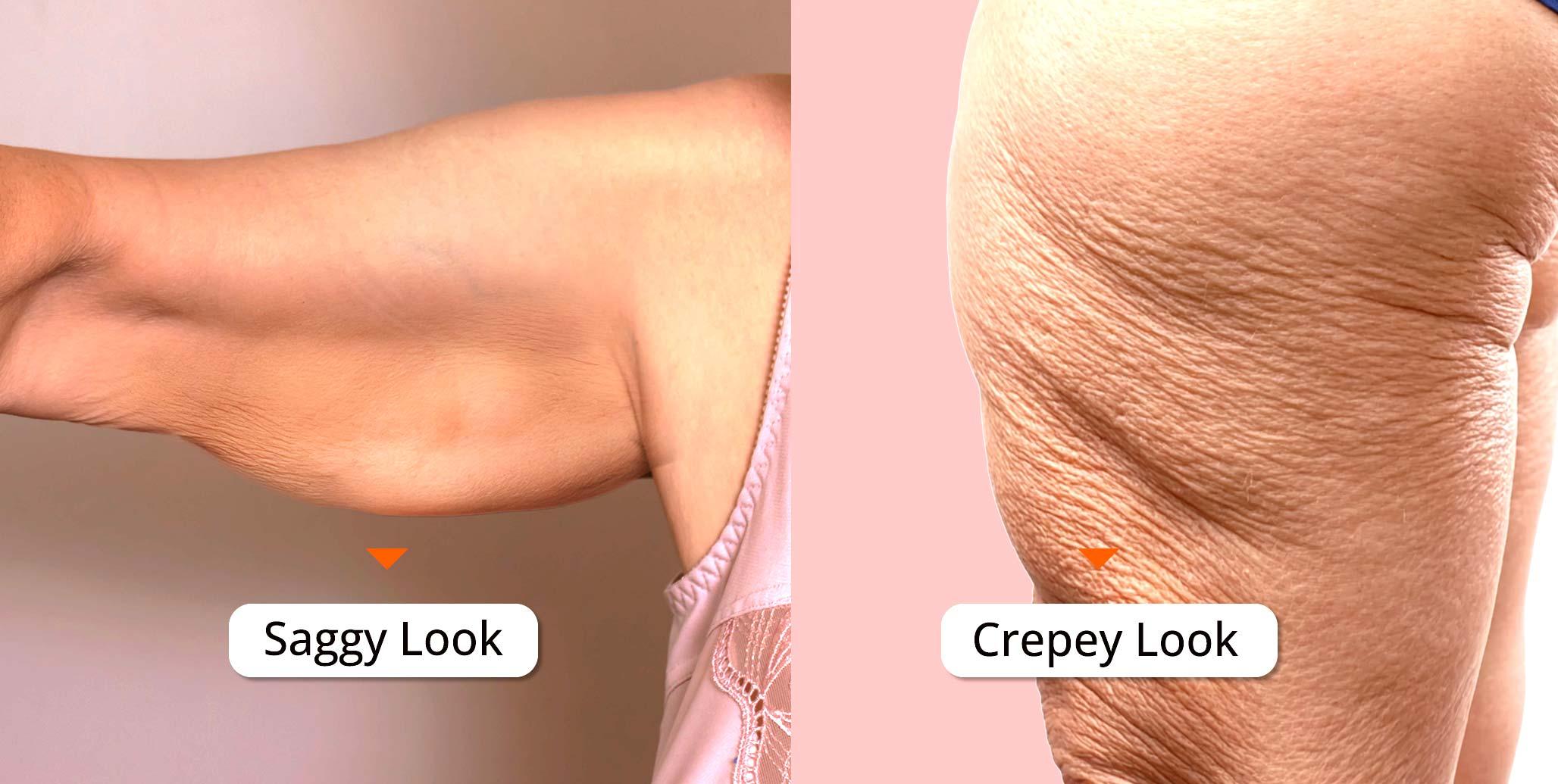
The saggy look. The intense dryness. The appearance of crepey, papery texture on the arms, thighs, and stomach. The way the skin seems to have aged — seemingly overnight.
You did something incredible for your health. And yet your skin is telling a different story.
You're not imagining it. And you're not alone.
You've Made a Brave Choice. But Nobody Warned You About This.
GLP-1 medications have changed the lives of millions of people — helping manage weight in ways that felt impossible before.
But somewhere between the excitement of a new body and the mirror of everyday reality, many people are noticing something that nobody in the doctor's office mentioned:
The skin.
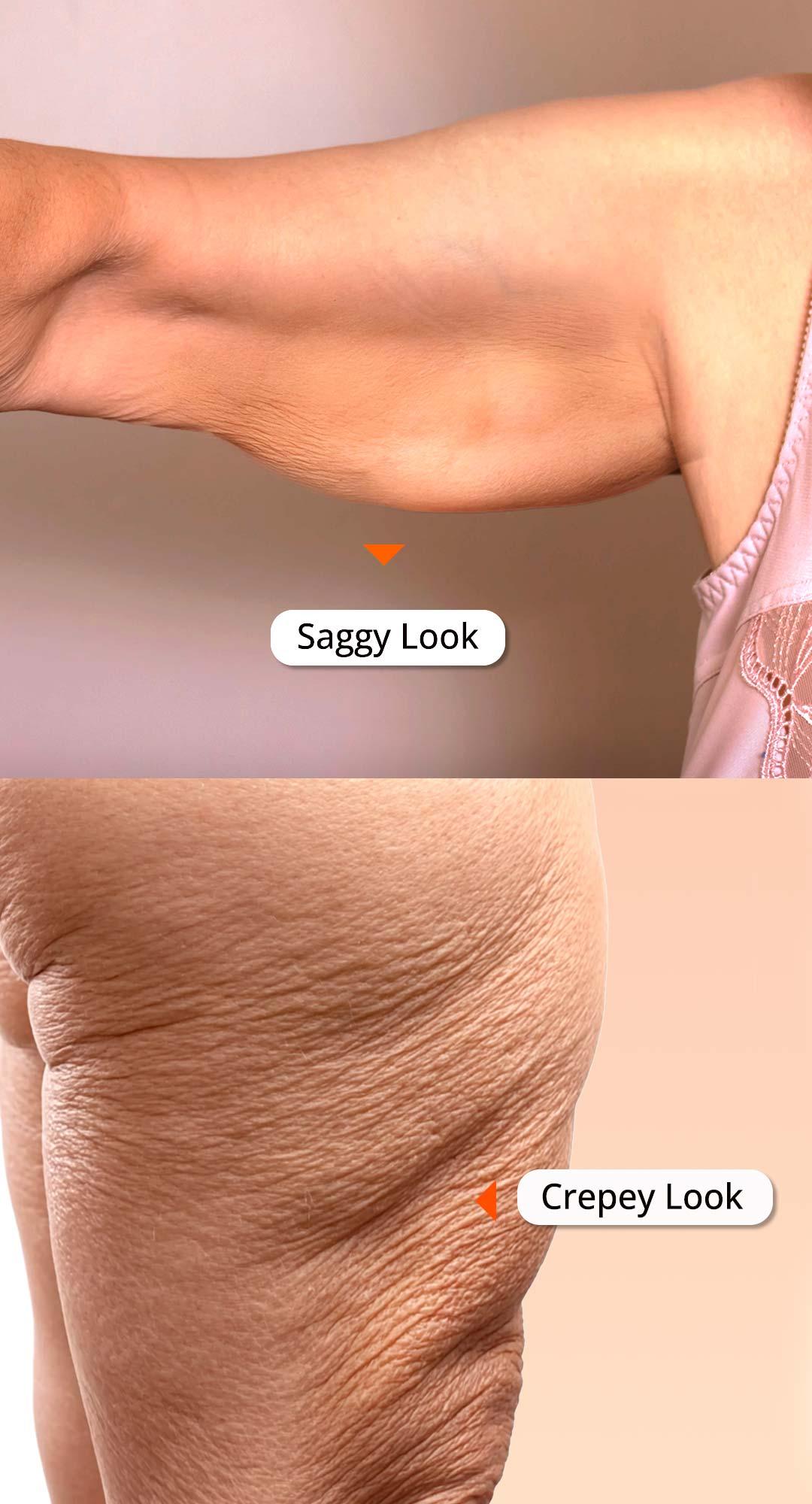
The saggy look. The intense dryness. The appearance of crepey, papery texture on the arms, thighs, and stomach. The way the skin seems to have aged — seemingly overnight.
You did something incredible for your health. And yet your skin is telling a different story. You're not imagining it. And you're not alone.
What's Actually Happening to Your Skin
When body weight decreases — especially rapidly — the skin, which had expanded to accommodate the body's previous volume, doesn't always have the time or resilience to "bounce back" at the same pace.
Think of skin like a stretched fabric: it was molded around one shape for months or years. When that shape changes quickly, the fabric can't always snap back to fit the new contours right away. The result? Skin that looks loose, saggy, or deflated — particularly on the upper arms, abdomen, thighs, and buttocks.
This is a well-documented phenomenon associated with rapid weight change — whether from surgery, illness, pregnancy, or medication-assisted weight management.
But There's More To It Than Just Volume Loss.
Skin also has two key proteins responsible for how it looks and feels: collagen, which gives skin its firm and supple look and elastin, which gives skin the ability to spring back after being stretched. The appearance of firm, bouncy, and taut skin relies on both.
As we age, the skin's ability to maintain these proteins naturally slows down. And when significant weight loss happens simultaneously — especially after 35, 40, or 50 — the skin's outward appearance can reflect both changes at once.
Many GLP-1 users have reported noticing the appearance of more pronounced dryness, loose skin, fine lines, and a crepey texture that seems to have appeared or worsened since beginning their medication journey. While formal clinical studies specifically examining GLP-1 medication and skin appearance changes are still limited and ongoing, this is an experience widely shared in GLP-1 communities and is consistent with what is already well understood about rapid weight change and skin.
What is clear — regardless of the cause — is that dry, loose-looking, crepey skin needs a targeted approach that goes far beyond simply slathering on a body lotion.
Why Your Body Lotion Isn't Enough
We've been conditioned to believe that moisturizing our body is the same as caring for our skin. Grab a lotion, rub it in, done.
But if simple moisturization were enough, you wouldn't be reading this.
Walk into any pharmacy and you'll see shelves stacked with body lotions. "Ultra-hydrating." "Cocoa butter smooth." "Intensive repair." And yet, despite decades of these promises, the experience of crepey, loose-looking skin on the arms and legs remains one of the most common — and most under-served — skin concerns among women over 35.
Here's the problem: most body lotions were designed for one purpose — to temporarily reduce the feeling of tightness and dryness. They were not designed with the complexity of aging, mature, or post-weight-loss look in mind.
The skin on the rest of your body deserves the same thoughtfulness, science, and targeted care that we've always given our faces. It deserves more than a moisturizer.
What Ayurveda Knew 5,000 Years
Before GLP-1 Existed
Ayurveda — the Ancient Indian Science of Life — has been addressing the very skin concerns you're experiencing right now for over five millennia.
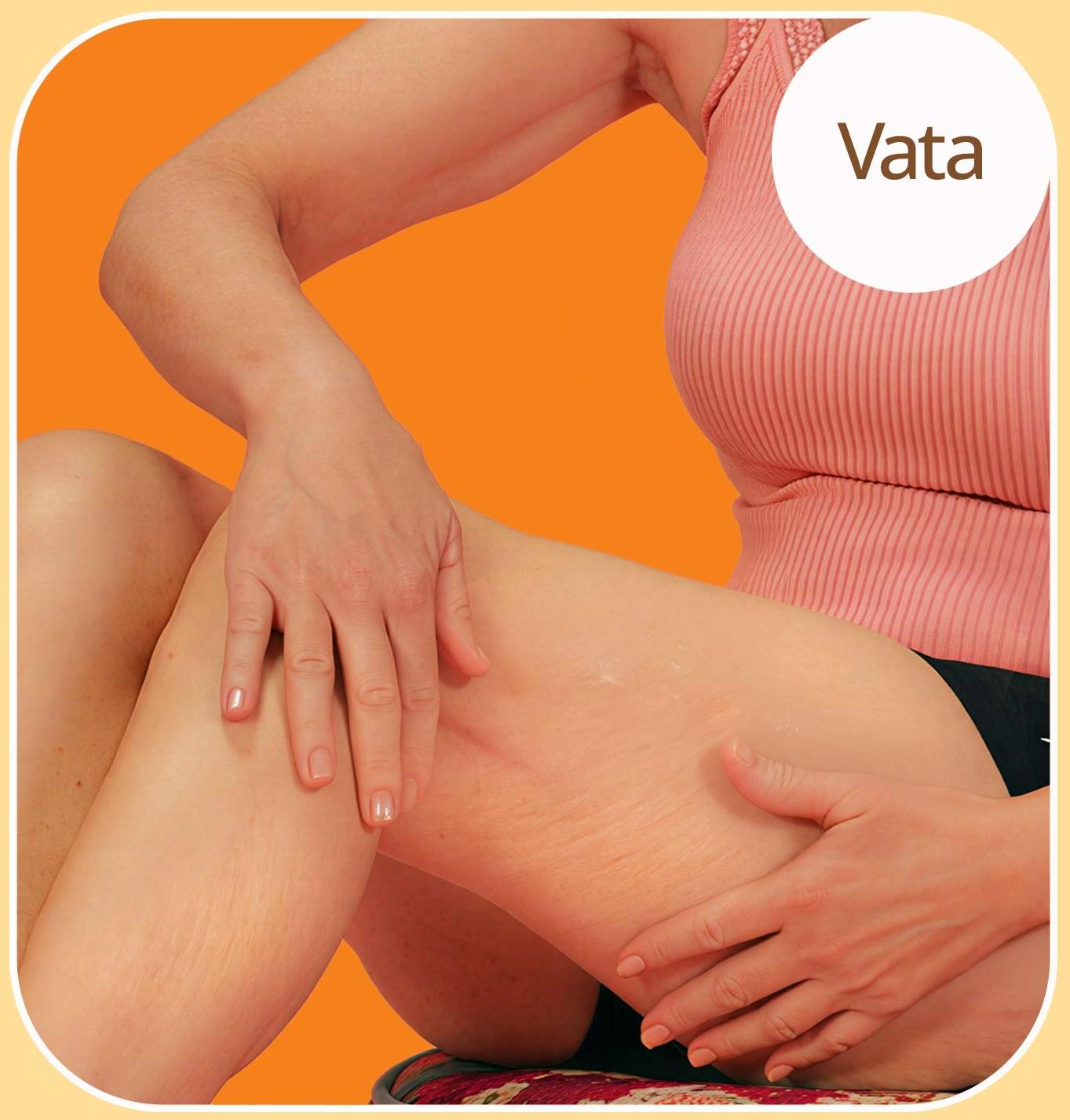
In Ayurveda, the later stages of life are governed by what is called the Vata dosha — characterized by the elements of air and space. Vata skin is dry, cool, thin, and tends toward the appearance of fine lines, looseness, and roughness. Sound familiar?
Ayurveda identified that the key to managing the appearance of Vata skin was not simply adding moisture from the outside — but warming, nourishing, and stimulating the skin through touch and the right botanical oils.
This brings us to one of Ayurveda's most celebrated and researched
self-care practices: Abhyanga — the art of self-massage with warm oil.
The Ancient Practice Your Skin Has Been Waiting For
Abhyanga is not simply "rubbing oil on your skin." It is a deliberate, rhythmic, full-body self-massage that has been central to Ayurvedic daily self-care for thousands of years.
The reason it has endured for so long is because the benefits are visible — and deeply felt.
Research into massage has shown that it:
✔️
Supports circulation to the skin's surface
✔️
May contribute to a more toned and supple appearance of the skin over time
✔️
Can promote relaxation and reduce the appearance of stress-related skin dullness
✔️
Supports lymphatic flow, which is associated with a reduction in the appearance of puffiness and uneven skin texture
✔️
Enhances the effectiveness of oils applied to the skin
When it comes to skin that appears loose, dry, or crepey — whether from aging, weight change, or both — the combination of massage and a intensely nourishing botanical oil creates an experience and an appearance transformation that no lotion sitting passively on your bathroom shelf can match.
And this is something anyone with dry, mature, or loose-looking skin should be doing — regardless of whether they are on medication or not. Ayurveda simply knew it first.
Why Oil — Not Lotion — Is the Right Medium
for Abhyanga
The body oil vs. body lotion debate is one Ayurveda settled thousands of years ago.
Here's the modern science that agrees:
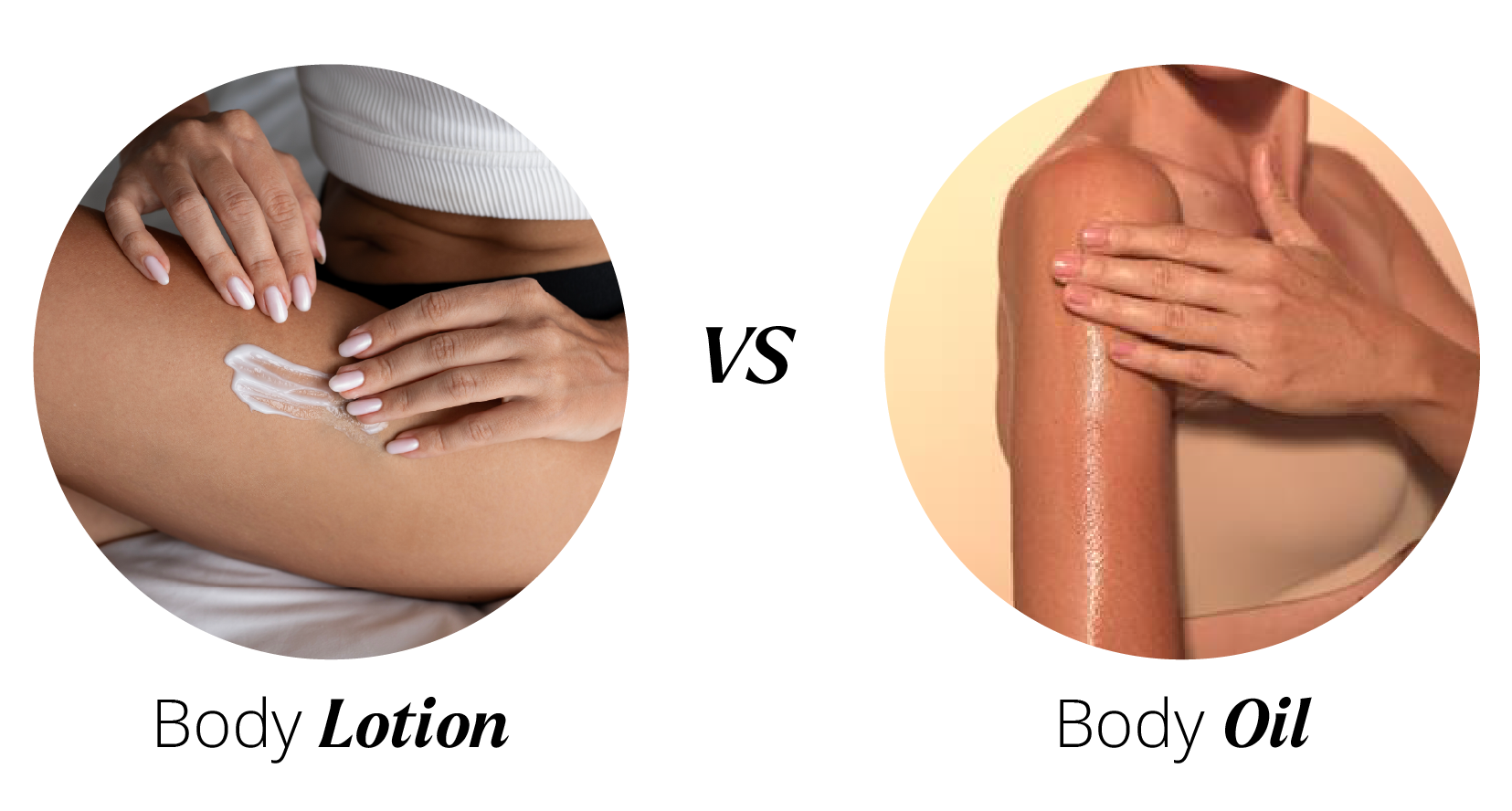
Body lotions are primarily water-based emulsions, meaning that much of what you're applying evaporates quickly after application. The oils present in most commercial lotions make up a small fraction of the formula — not nearly enough to deeply nourish skin that is already dry and depleted.
Botanical oils, on the other hand, are known to work with the skin's natural surface. And when massaged in, they leave the skin looking visibly more supple and softened over consistent use.
For Vata skin — the dry, aging, or loose-looking skin that we've been describing — Ayurveda specifically recommends Sesame Oil and Castor Oil as base oils because of their exceptionally nourishing, warming, and unctuous properties.
But a plain sesame oil is just the beginning.
The Ingredients That Have Earned Their Place Over 5,000 Years
Here’s a group of Ayurvedic herbs and oils that have long, independently documented histories in the context of dry, aging, and Vata-type skin. These are not ingredients we invented — they are ingredients that classical Ayurvedic scholars wrote about in detail, and that modern researchers have continued to study.
Each ingredient below is discussed on its own merits, drawing on the sources that actually support those merits.
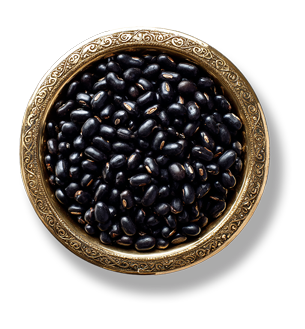
Black Gram (Vigna mungo — known in Ayurveda as Maash)
In classical Ayurvedic descriptions, Black Gram is described as Snigdha (unctuous), Guru (heavy), and Ushna Virya (warming in potency) — qualities that Ayurveda specifically associates with counteracting the dry, cold, light nature of Vata. Ayurvedic texts also attribute Tarpana (nourishing) and Balya (strength-supporting) properties.
When consumed as part of one's diet: Black Gram is one of the most nutritionally dense legumes in the world. As a food, it is protein-rich and provides adequate amounts of iron, potassium, calcium, and magnesium — and has notably high phosphorus content. It also provides dietary fiber and several B vitamins. In Ayurvedic dietary tradition, the Charaka Samhita describes Black Gram as a strength-promoting and nourishing food — the same qualities that led ancient Ayurvedic physicians to regard it as exceptional for the care of depleted tissue both internally and externally in traditional Ayurvedic preparations. For those looking to nourish their body from within alongside their skincare rituals, Black Gram in its traditional food forms — dal preparations or as whole cooked beans — remains one of Ayurveda's revered dietary staples.
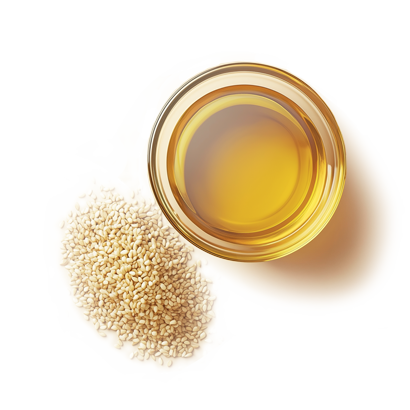
Sesame Oil (Sesamum indicum)
Sesame oil is a well-studied botanical oil in skin research. The Charaka Samhita specifically describes sesame oil as a suitable base oil for Vata-pacifying Abhyanga (self-massage), noting its warming, nourishing, and stabilizing properties for a dry, depleted look.
A peer‑reviewed study by Dzidek et al. (2023, published in Cosmetics, MDPI) evaluated the effects of a single topical application of sesame seed oil (alongside raspberry seed oil and coconut oil) on skin measurements in 35 young female volunteers. The study reported an increase in stratum corneum hydration one hour after application. Sesame oil is rich in skin‑relevant lipids, including oleic acid and linoleic acid. These fatty acids may help reinforce the skin's surface barrier and support moisture retention. Linoleic acid in particular is known to contribute to the appearance of better-hydrated and more resilient skin.
When consumed as part of one's diet: Sesame seeds and sesame oil are well-established dietary staples across Asian, Middle Eastern, and Mediterranean cuisines, and have been studied extensively for their nutritional profile. When consumed, sesame is known to provide lignans (sesamol, sesamin, and sesamolin), Vitamin E, and a favorable balance of oleic and linoleic fatty acids — all of which have been studied. Sesame seeds are also a meaningful source of calcium, magnesium, zinc, and iron. In Ayurvedic dietary tradition, sesame is regarded as a deeply warming, nourishing food particularly suited to those with dry Vata constitutions — recommended in winter and for those experiencing depleted energy or dry skin.
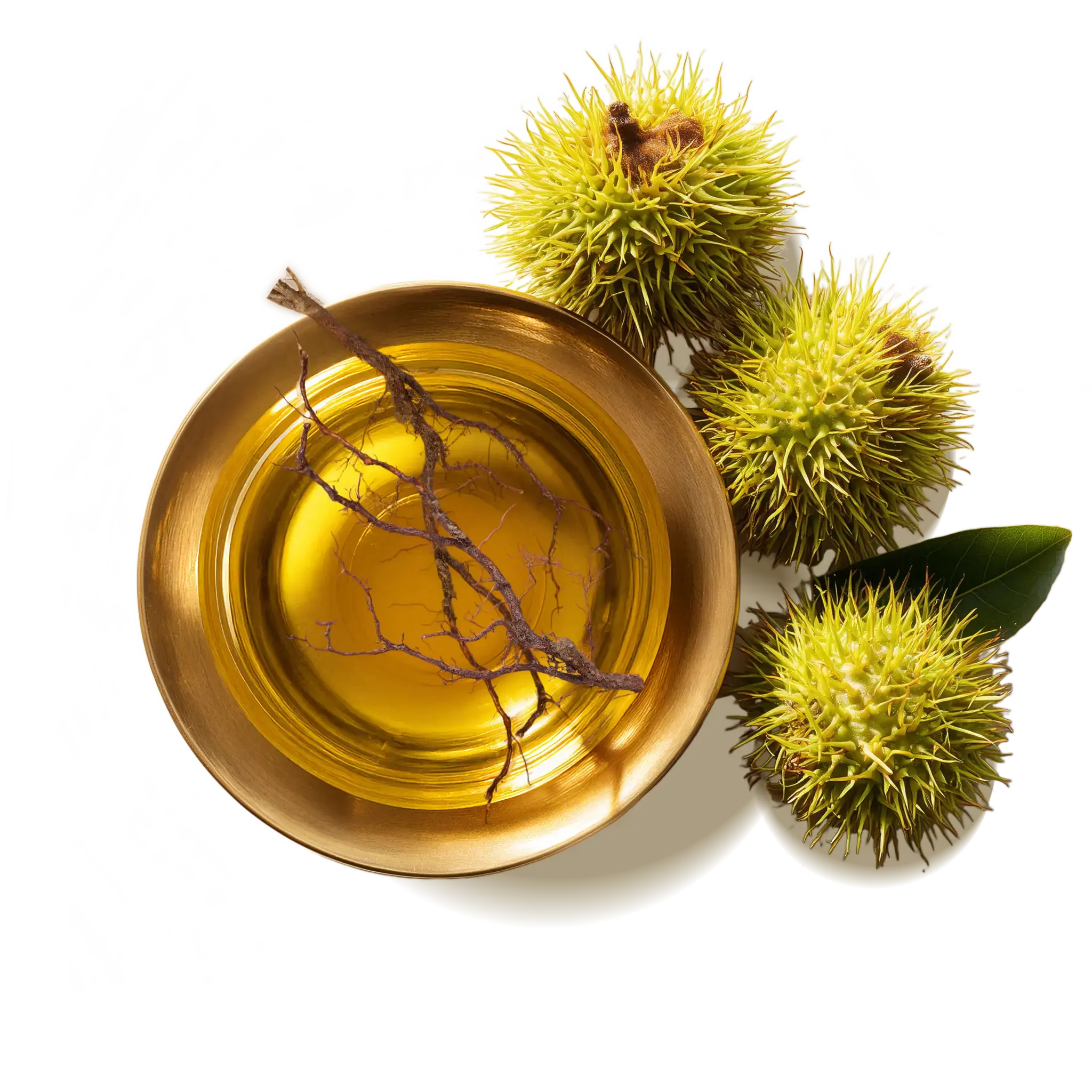
Castor Root (Ricinus communis root, known in Ayurveda as Eranda Moola)
Castor root has a long-standing place in Ayurvedic literature as Eranda Moola, the root of Ricinus communis. In classical Ayurvedic interpretation, Eranda is associated with Snigdha (unctuous), Guru (heavy), and Ushna Virya (warming in potency), qualities traditionally linked with formulations used for Vata-oriented imbalance, where dryness, lightness, and coldness are central descriptors. Ayurvedic texts document that Eranda moola appears in classical procedures including Snehana (unctuous therapies) and Swedana (fomentation), where these therapies are traditionally recommended in contexts of dryness. From a modern research perspective, published phytochemical reviews of Ricinus communis report that the root contains plant constituents such as ellagitannins, lupeol, and indole-3-acetic acid.

Nutgrass (Cyperus rotundus — known in Ayurveda as Musta)
Nutgrass has been documented in classical Ayurvedic texts for centuries. Both Charaka and Vagbhata mention Musta in their respective classical works: Charaka traditionally associates it with calming skin that feels irritated or uncomfortable, and Vagbhata values it for its cooling (Sheeta virya) potency.
Classical Ayurvedic materia medica describes Musta as cooling and balancing in nature and traditionally associates it with formulations used for the look and feel of smoother, more comfortable skin when it appears rough or uneven.
From a phytochemical perspective, Cyperus rotundus is known to contain flavonoids including quercetin and kaempferol, which are well-documented compounds. Multiple peer-reviewed references have reported constituents in C. rotundus that are widely understood to be relevant for the look of skin aging, as free radical activity is one of the environmental factors associated with the visible appearance of aged skin.
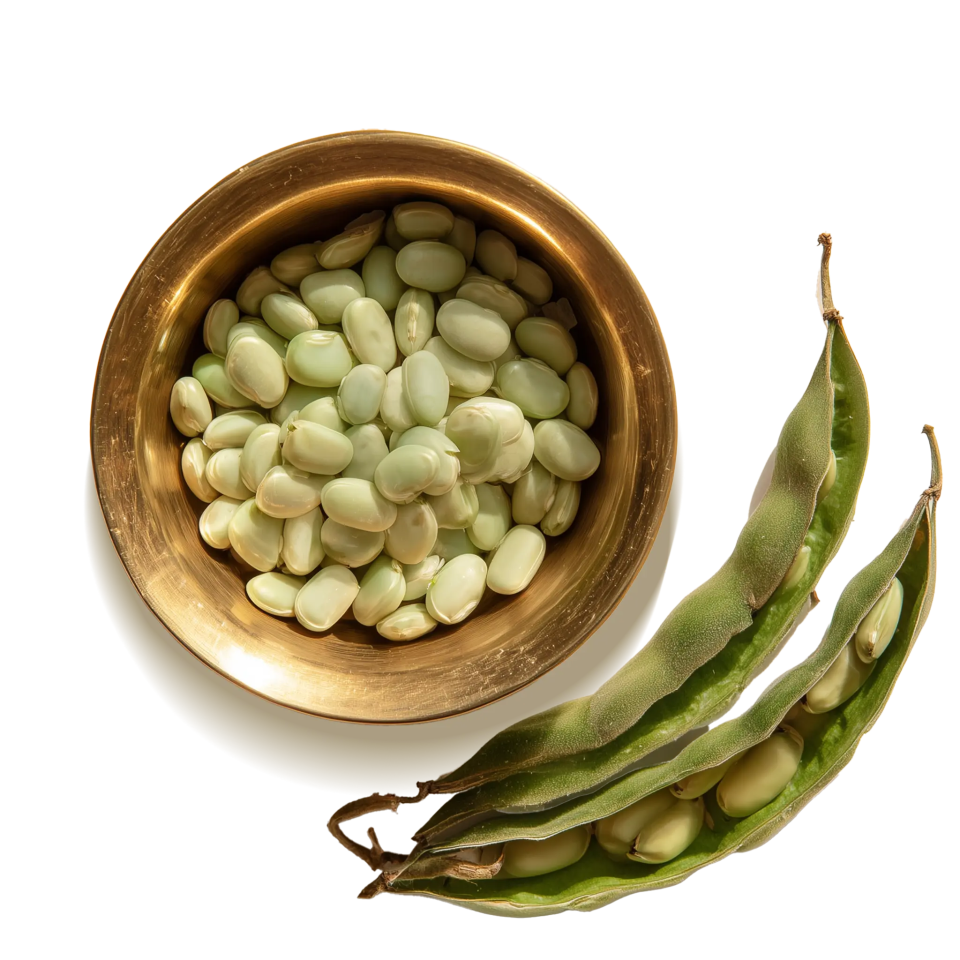
Velvet Bean (Mucuna pruriens — known in Ayurveda as Kapikacchu)
Velvet Bean is described extensively in Ayurvedic classical texts. Its Sanskrit names — Kapikacchu and Atmagupta (meaning "secret self," referring to the potency within the seed) — reflect the esteem in which it was held. In classical Ayurvedic texts, Kapikacchu's seed is described as Snigdha (unctuous), Guru (heavy), and Madhura vipaka (sweet in post-digestive effect) — all qualities traditionally associated in Ayurvedic pharmacology with nourishing and building tissues.
Classical texts classify it as Balya (strengthening) and Brimhana (nourishing) in Ayurvedic terms. This traditional understanding of Velvet Bean as an intensely nourishing herb, particularly for the appearance of depleted-feeling and devitalized skin, is reflected in its historical use in Ayurvedic body oil formulations. Modern peer-reviewed studies report in vitro free-radical scavenging activity in M. pruriens seed extracts.
When consumed as part of one's diet: Velvet Bean seeds are a remarkably protein-rich legume, containing approximately 20–35% crude protein by dry weight, along with essential fatty acids, starch, and certain essential amino acids. As a food crop, they have been cultivated in the eastern Himalayas, parts of Southeast Asia, and parts of Africa and the Caribbean for generations. In Java, the beans are traditionally boiled and eaten; in Guatemala and Mexico, they are roasted and ground as a coffee substitute. Nutritionally, Velvet Bean seeds are known to contain L-dopa (a naturally occurring amino acid precursor) alongside iron, zinc, and manganese.
Ayurveda classifies Velvet Bean consumed as food as deeply Brimhana — building and strengthening depleted body tissue. For those seeking to nourish from within, Velvet Bean is increasingly available in supplement and powder form; as always, dietary supplementation should be discussed with a qualified healthcare provider.
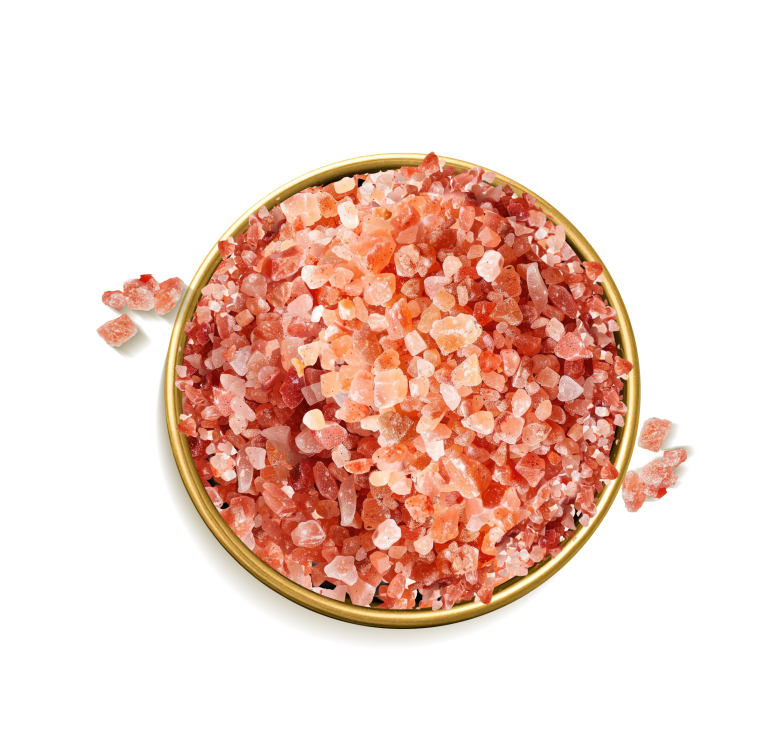
Himalayan Rock Salt
Rock salt has a long history of use in Ayurvedic external therapies. Classical Ayurvedic literature lists rock salt (Saindhava Lavana) among salts used in external applications, including anointment and massage traditions where salt is traditionally used for its softening and smoothing properties.
When consumed as part of one’s diet: Himalayan pink rock salt can contain trace amounts of naturally occurring elements beyond sodium chloride, which may include minerals such as calcium, magnesium, potassium, and iron — minerals that are present in small quantities beyond what is found in refined table salt. In Ayurvedic dietary texts, rock salt (known as Saindhava Lavana) is actually the preferred form of salt — described as the most balanced and easiest to digest of all salt varieties and uniquely suited for Vata types. Unlike heavily processed salts, Himalayan rock salt is unrefined and largely contain no added additives. Used in moderation as part of a balanced diet, it is considered in Ayurveda to support the body's natural fluid balance.
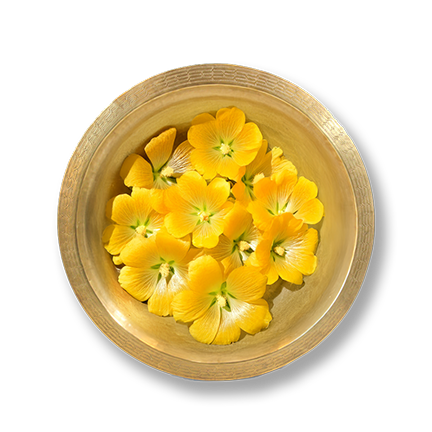
Country Mallow (Abutilon indicum — known in Ayurveda as Atibala)
Atibala, meaning “great strength” in Sanskrit, is described in classical Ayurvedic texts as belonging to the Brimhana (nourishing) category of herbs — those traditionally used to address the appearance of depleted, undernourished, or weakened-looking skin. It has been used in classical Ayurvedic formulations for external application on skin that appears dryness-prone or excessively dry. Modern phytochemical studies have confirmed the presence of mucilaginous (demulcent) compounds in Abutilon indicum, which are associated with the appearance of soothed and comforted skin.
Introducing
BALAAYAH BLACK GRAM BODY BOOSTER
by The Ayurveda Experience
This is the body oil you deserved to have years ago — and the one your skin is calling out for right now.
Balaayah is a rich, vegan Ayurvedic body oil specifically for dry, aging, and loose-looking skin on the arms, legs, and body. It is made with 8 potent herbs that have been used for thousands of years.
It is not a lotion. It is not a serum. It is the foundation of an Ayurvedic self-care ritual that will transform not only how your skin looks — but how you feel in it.
Introducing
BALAAYAH BLACK GRAM BODY BOOSTER
by The Ayurveda Experience
This is the body oil you deserved to have years ago — and the one your skin is calling out for right now.
Balaayah is a rich, vegan Ayurvedic body oil specifically for dry, aging, and loose-looking skin on the arms, legs, and body. It is made with 8 potent herbs that have been used for thousands of years.
It is not a lotion. It is not a serum. It is the foundation of an Ayurvedic self-care ritual that will transform not only how your skin looks — but how you feel in it.
What makes Balaayah different:
-
Formulated around Black Gram — a legendary Ayurvedic "uber nourisher"
-
Rich yet non-greasy — absorbs beautifully into the skin without that heavy, oily residue
-
Designed specifically for dry, aging, and loose-looking skin on the body
-
Can be used for a full abhyanga body massage (15–20 minutes) or a quick 5-minute daily ritual
-
A formulation whose key ingredients have been used with purpose and consistency for thousands of years
A note to GLP-1 users: Balaayah has not been clinically tested specifically for use with GLP-1 medications, and we make no such claim. What we do know — supported by thousands of years of Ayurvedic tradition and the experiences of 776000+ customers — is that Balaayah was made for exactly the kind of skin many are describing: skin that looks dry, crepey, and in need of intense nourishment. Whether you are on GLP-1 medication or simply experiencing the natural shifts of mature, dry skin, Balaayah's Abhyanga ritual is the kind of self-care your body has always deserved.
What Our Customers Say

4.8/5 (5,431 reviews)

Carol M.
✔ VERIFIED

"I've tried everything. This is the one."
I lost a significant amount of weight over the past year and was really struggling with the appearance of my skin — especially on my arms and stomach. Everything looked so crepey and loose. I'd given up on body lotions years ago but a friend told me about this and I decided to try. After about 3–4 weeks of daily massage, I cannot believe how different my skin looks. It looks so much more nourished and the texture has improved dramatically. I genuinely feel like my skin again.
Bonnie C.
✔ VERIFIED
"Best body oil I've ever used"
I'm now on my third bottle. I'm happy to report my skin looks beautiful. It no longer (appears to) sag the same way it used to. I also love the scent. A little exotic. I WILL USE THIS OIL FOREVER.
Reed U.
✔ VERIFIED
"Finally found something that works for my body skin."
As a mature woman, I am always looking for better skincare products. The oil glides on my damp skin effortlessly and has no oily residue. It just makes my skin feel so soft and I swear it appears that my skin is firmer, too!
Laura L.
✔ VERIFIED
"Crepiness (seems) gone."
I use Ayurveda products for facial care, and knew I just needed to find something for my aging body. This Body Booster is that and more! On my legs, especially after shaving, my arms and décolletage, everywhere. My skin feels so much more resilient, crepiness (seems) gone, glowing. Treat yourself, you are worth it.
Individual results may vary.
5 Minutes a Day. That's All It Takes.
You don't need to dedicate an hour to a spa-like ritual (though you absolutely can). Even five minutes of gentle, intentional massage with Balaayah before or after your shower — done consistently — can visibly transform the appearance of your skin over time.
Five minutes of self-massage. With the right oil. For a body that looks and feels like you're finally taking care of it.
1 Bottle – 100 ml
Try it. Love it. Or get a full refund.
100% Satisfaction — 30-Day Full Money Back Guarantee
No questions asked. No complicated process. Just results — or get your money back.
1 Bottle – 100 ml
Try it. Love it. Or get a full refund.
100% Satisfaction — 30-Day Full Money Back Guarantee
No questions asked. No complicated process. Just results — or get your money back.
Balaayah Black Gram Body Booster
(100 ml/3.38 fl oz)
Intense moisture that keeps your skin comfortable through the day... A rich, balm-like sensation that firms the appearance of saggy-looking skin on the arms and legs.
-
An oil that’s not oily
-
Rare, luxurious texture that leaves the skin velvety-soft
-
A rich but not heavy formula that doesn’t sit on top of your skin but gets soaked right in, giving an almost-matte finish.
-
A VEGAN formula made using the most unexpected, hidden age-defying ingredients
-
An oil that ends up moisturizing for several hours
-
So clean, you won’t feel guilty applying this on your body
NO ADDED MINERAL OIL, NO ADDED PARABENS. 100% NATURAL. AYURVEDIC PRODUCT. NOT TESTED ON ANIMALS. VEGAN.
FREE GIFT




YOU MAY ALSO LIKE
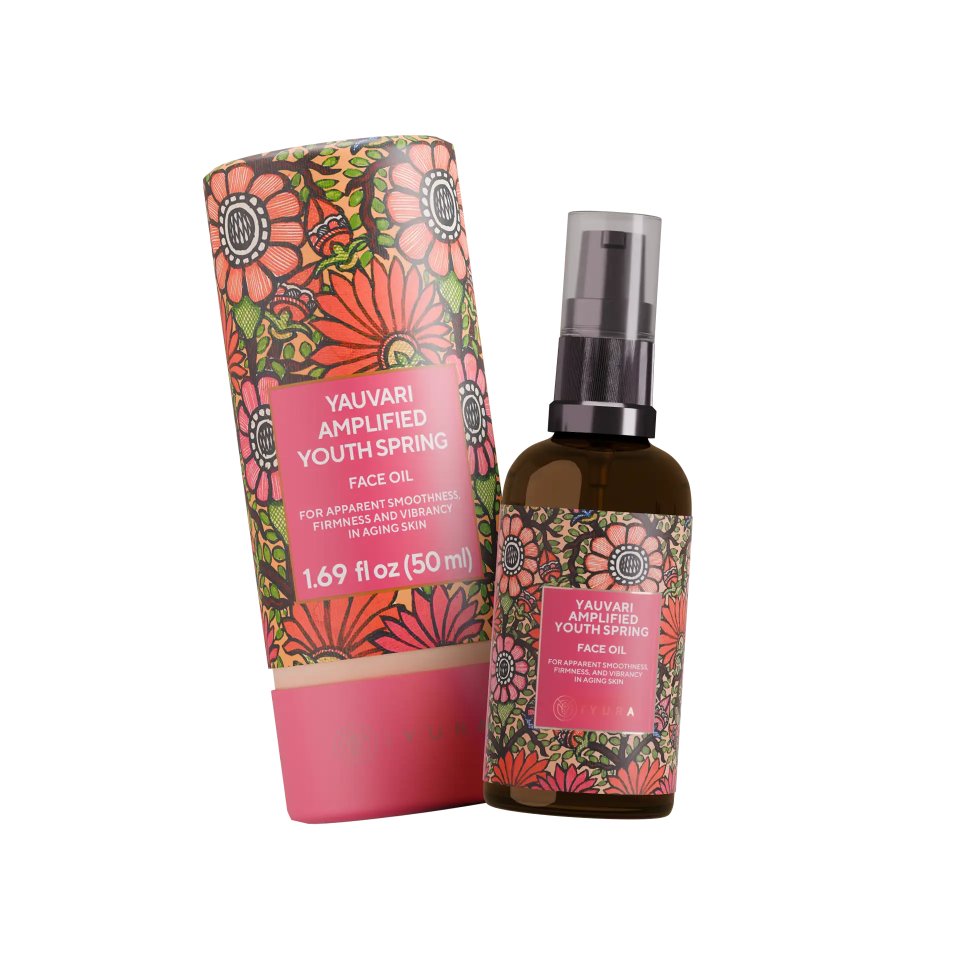
iYURA
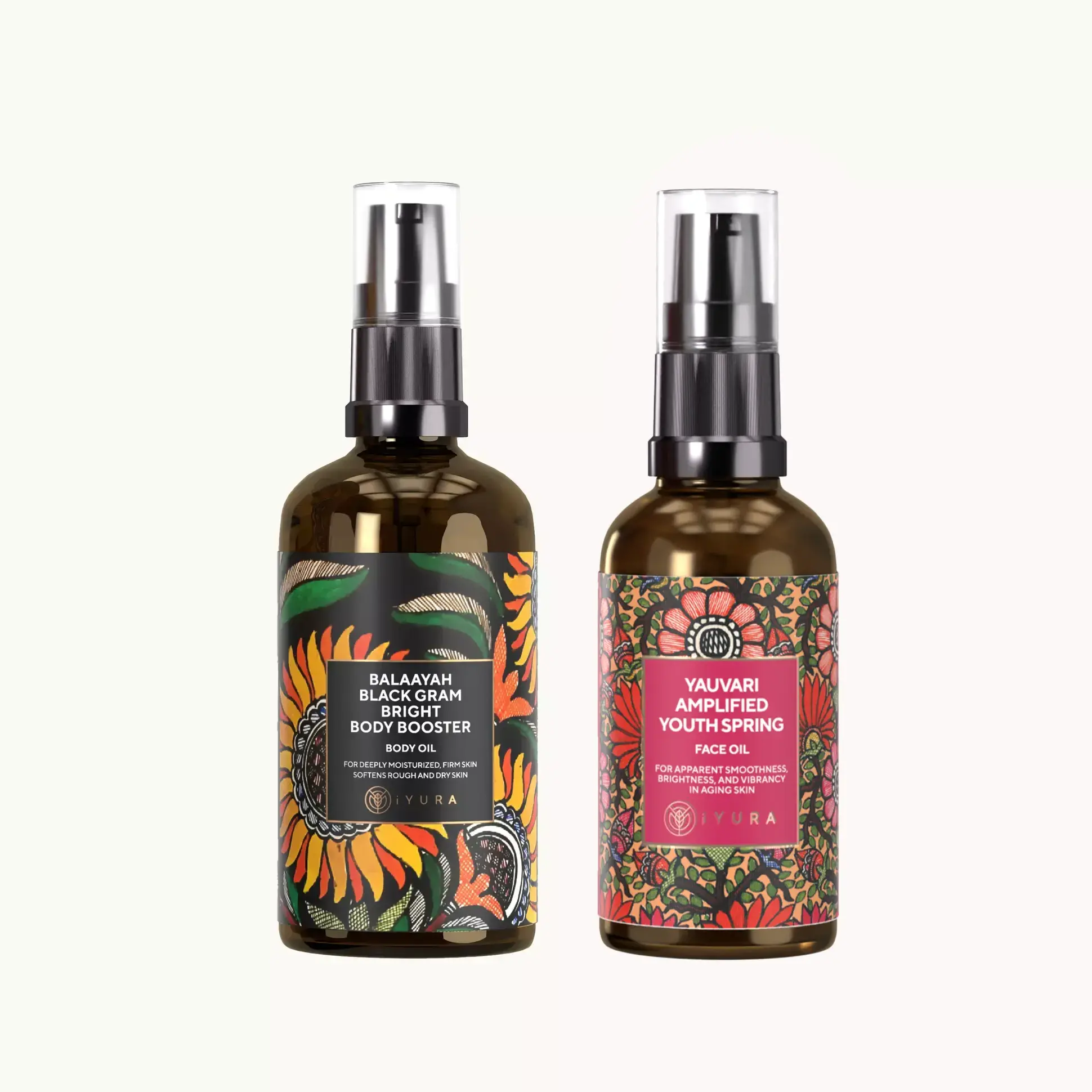
YAUVARI AMPLIFIED YOUTH SPRING
Infused with black gram, this face oil intensely moisturizes and visibly firms the look of wrinkles and fine lines.
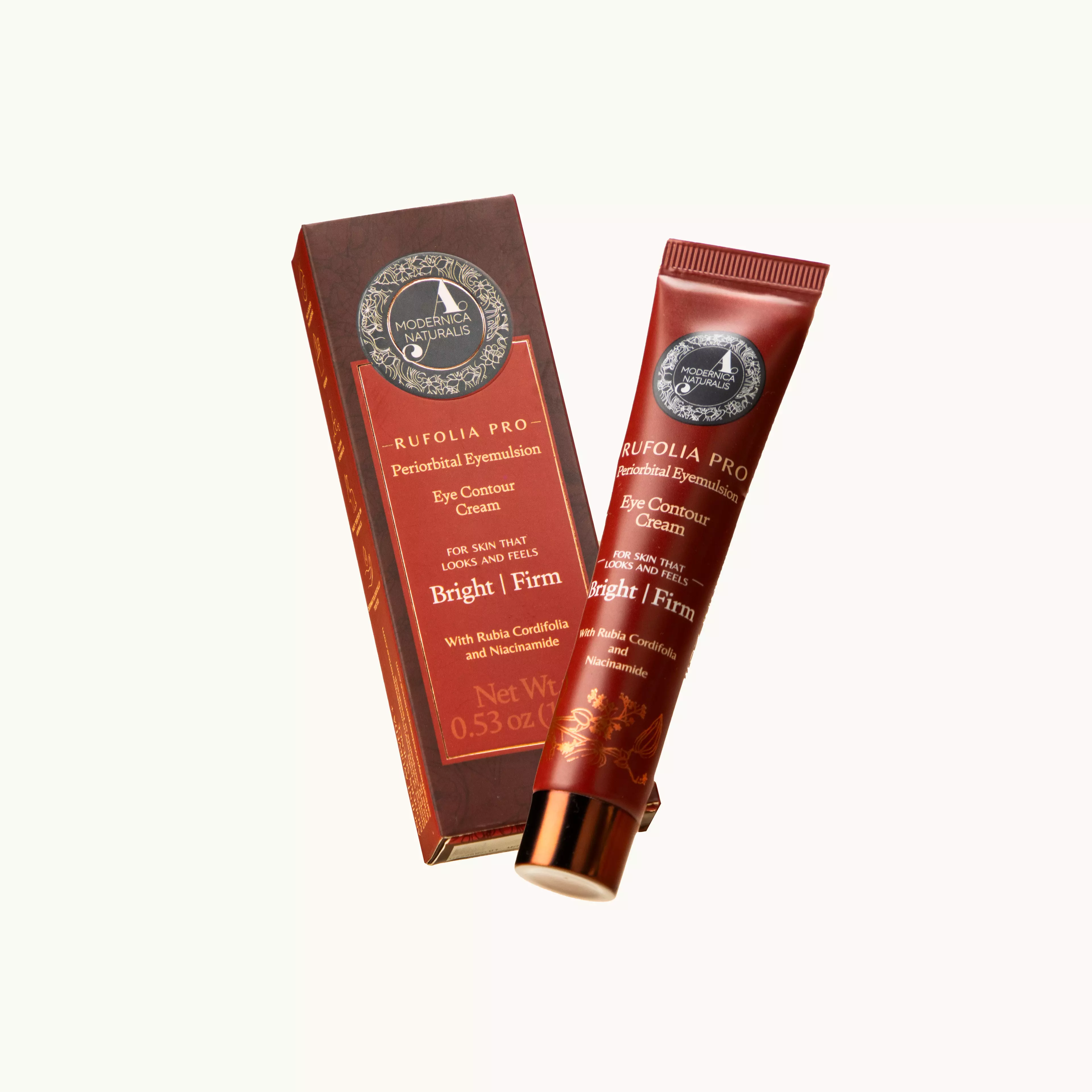
A. Modernica Naturalis
RUFOLIA PRO PERIORBITAL EYEMULSION
With Manjistha, Hyaluronic Acid, and Niacinamide, this brightens and visibly firms the look of skin around your eyes.
iYURA
BLACK GRAM FACE & BODY DUO
Ayurveda's black gram face & body oil combo for intense moisturization and firmer-looking skin from head to toe.